

orchid mantis evolutionary research
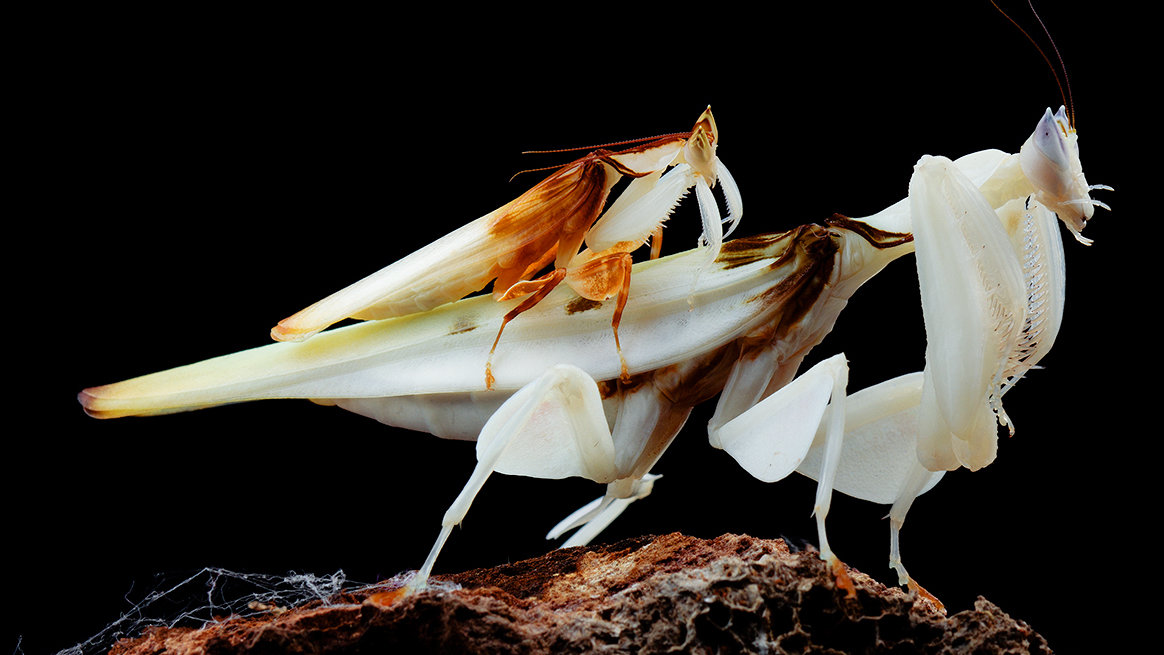
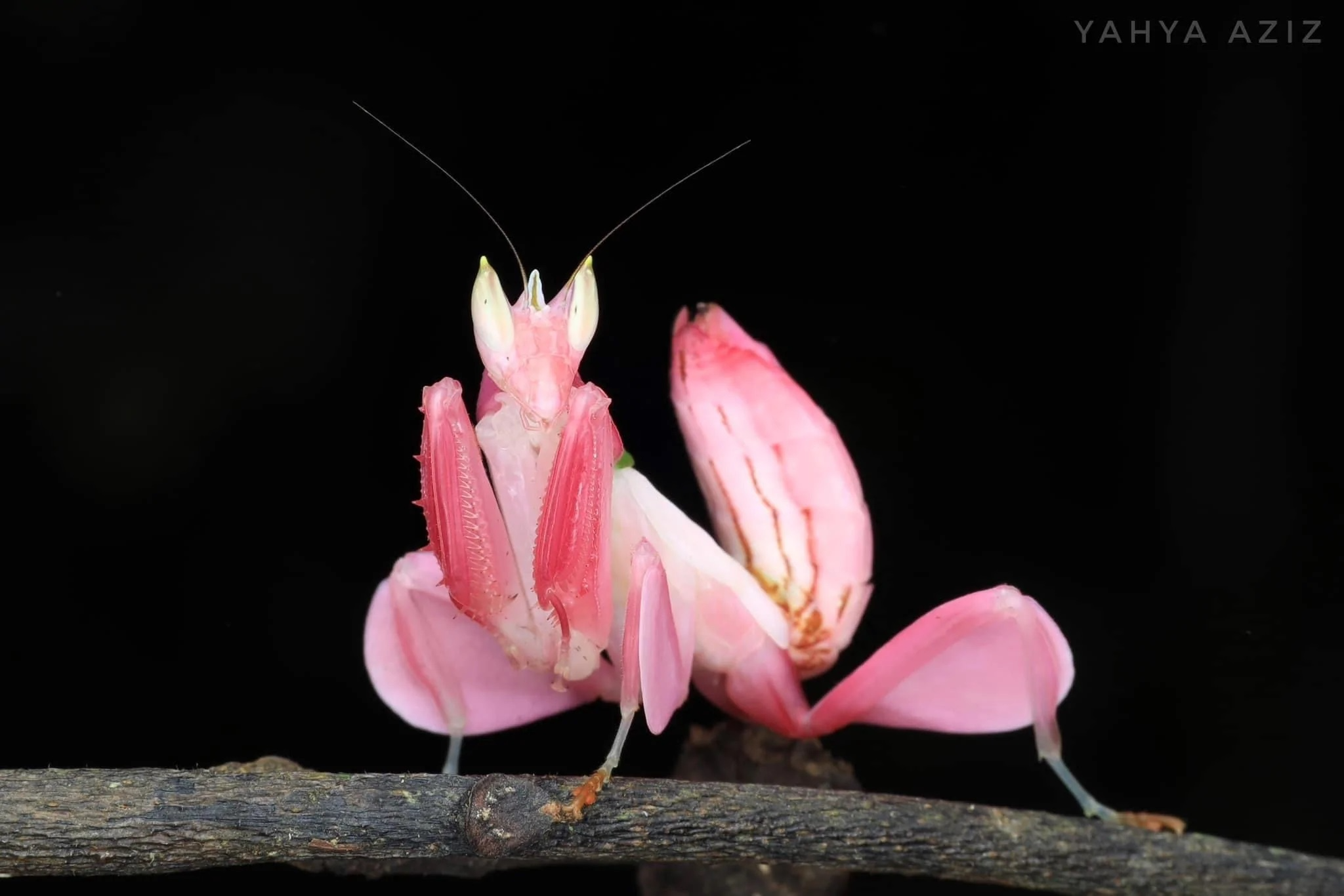
The orchid mantis (Hymenopus coronatus) transitions from black-and-red to pink-white coloration during development, a shift driven by the Redboy pigment transporter
The orchid mantis (Hymenopus coronatus) transitions from black-and-red to pink-white coloration during development, a shift driven by the Redboy pigment transporter. This transition serves different ecological functions: red coloration helps hatchlings mimic stink bugs for predator avoidance, while the pink-white coloration of older nymphs provides floral camouflage for both predator avoidance and prey attraction. The Redboy transporter, upregulated by ecdysone, facilitates this shift by exporting red pigments in early stages and importing white pigments in later stages. Evolutionary Basis: Redboy's Role: The Redboy transporter, a novel ABCG transporter, arose by gene family expansion and positive selection, specifically to handle the transition from red to white coloration, according to research on Nature. Hormonal Regulation: The hormone ecdysone regulates Redboy, ensuring the pigment transition happens at the appropriate developmental stage, according to research on ResearchGate. Genetic